Glazy: 10,000+ Ceramic Glaze Recipes Tested, Mapped & Shared Freely
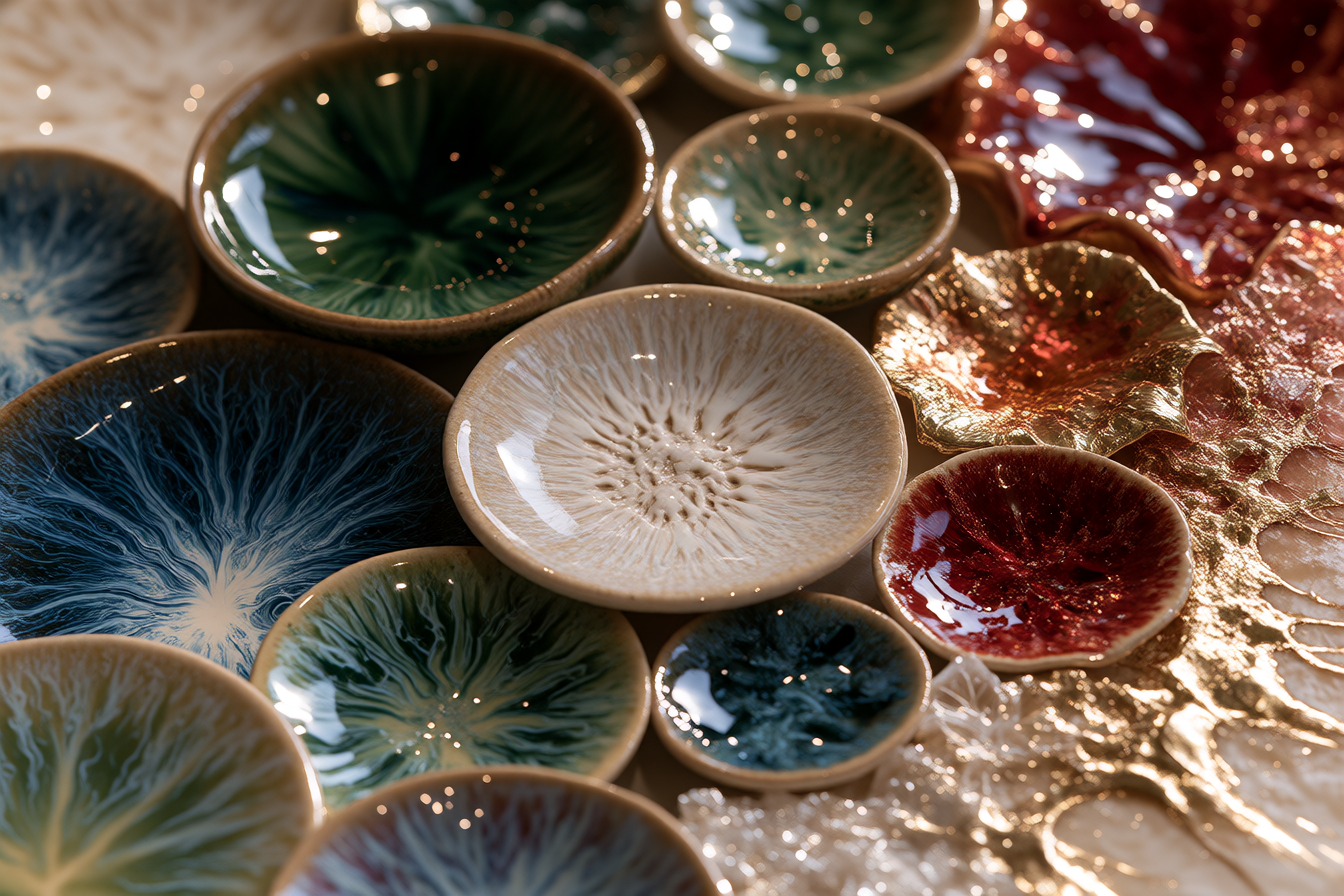
Glazy is a free, open-source database of thousands of ceramic glaze recipes plotted and searchable by their chemical makeup. Built by Derek Philip Au, an American ceramicist and software developer, the site lets you browse over 10,000 tested glazes—each one contributed by potters who've mixed, fired, and photographed the results.
What's there
The database includes everything from historical recipes to contemporary experiments, all searchable by color, finish, firing temperature (cone level), and atmosphere. The platform integrates chemistry calculations, firing results, and visual examples, making it a valuable tool for both beginners and professionals. Glazy has been developed by an American "geek-potter" Derek Philip Au, who worked in the IT industry and is committed to open source software and free sharing of knowledge using the internet. You can explore without an account, though creating one lets you save favorites and add your own recipes with photos.
Where to start
- Search by visual result: Use the color finder to search for glazes by hue and surface texture—matte blues, glossy reds, crystalline finishes—then see the actual recipe and chemical analysis. It's a palette generator for potters.
- Browse the Stull Chart: This visualization plots thousands of real glazes on a ceramic chemistry diagram showing how the ratio of fluxes to silica affects the glaze behavior. Each dot is a recipe someone actually tested.
- Explore historical lineages: Many recipes link to their sources, tracing a glaze back through decades of potters—Linda Arbuckle's formulas, John Sankey's database, Alisa Liskin Clausen's experiments—with photos showing how each one fired.
Make something from it
The visual density of Glazy's chemistry charts and photo galleries offers endless inspiration for artists interested in color systems, material experiments, and documentation. The fired samples—with their accidental runs, pooling, and crystallization—are beautiful objects in themselves. A maker could use Glazy as a reference for a series exploring how the same recipe behaves under different conditions, or extract the chemistry data as visual patterns, or even recreate a historical glaze formula to understand a potter's intent across time.